
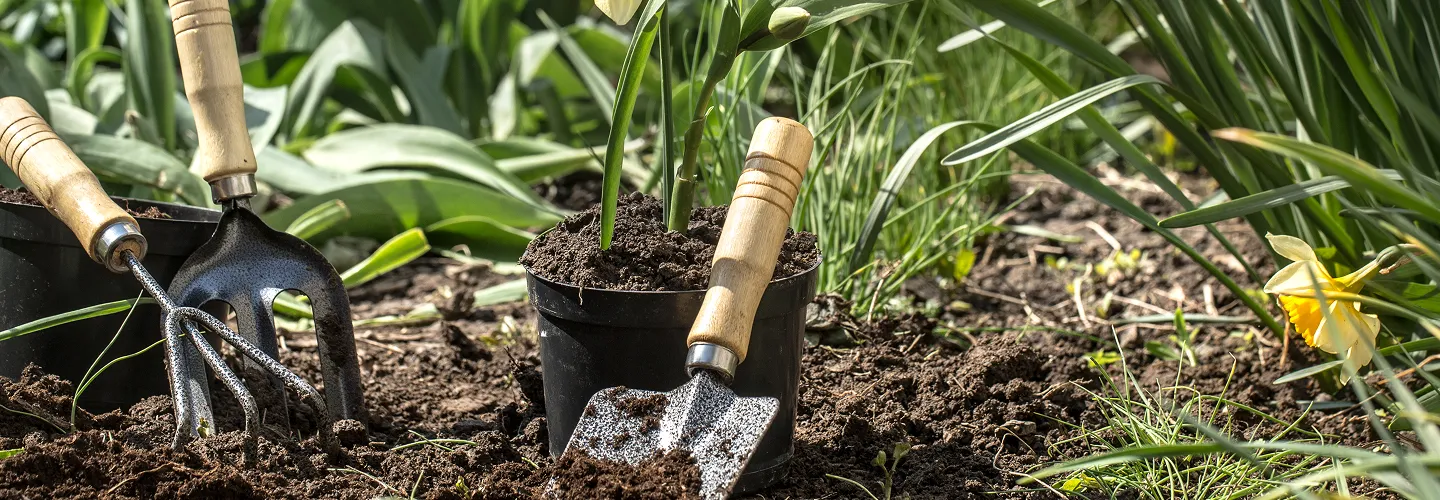
Wells Branch Plant Removal Services
Choose our plant removal services for prompt, professional results that leave your landscape clean and ready for your next project. Our experienced team ensures safe removal with minimal disruption, giving you peace of mind and a beautiful outdoor space.
Get a Free QuoteOur Wells Branch Landscaping & Yard Care Services
When to Schedule Plant Removal in Wells Branch, Texas – Seasonal Guide
In Wells Branch, Texas, timing your plant removal is crucial for both the health of your landscape and compliance with local guidelines. The region’s humid subtropical climate, with hot summers and mild winters, means that late winter through early spring is often the best window for most plant removal projects. This period, just after the last frost date and before new growth begins, allows for easier root extraction and minimizes stress on surrounding vegetation. Neighborhoods near Katherine Fleischer Park or along Wells Port Drive may experience varying microclimates, so it’s important to consider your specific location.
Local environmental factors such as periodic drought risk, heavy clay soils, and dense shade from mature oaks and elms can all impact the optimal timing for removal. Additionally, municipal restrictions and seasonal precipitation patterns—especially during the spring rainy season—should be reviewed on the Town of Sudbury’s official site for up-to-date guidelines. By understanding these local nuances, homeowners can ensure a smooth, efficient, and environmentally responsible plant removal process.
Local Factors to Consider for Plant Removal in Wells Branch
- Tree density and proximity to structures
- Soil type (clay, loam, or sandy soils)
- Seasonal precipitation and drought risk
- Frost dates and temperature fluctuations
- Shade coverage from mature trees
- Terrain and accessibility
- Municipal restrictions or permit requirements
Benefits of Plant Removal in Wells Branch
Expert Landscaping Services
Efficient Plant Removal
Eco-Friendly Disposal
Improved Curb Appeal
Customized Solutions
Licensed and Insured Team
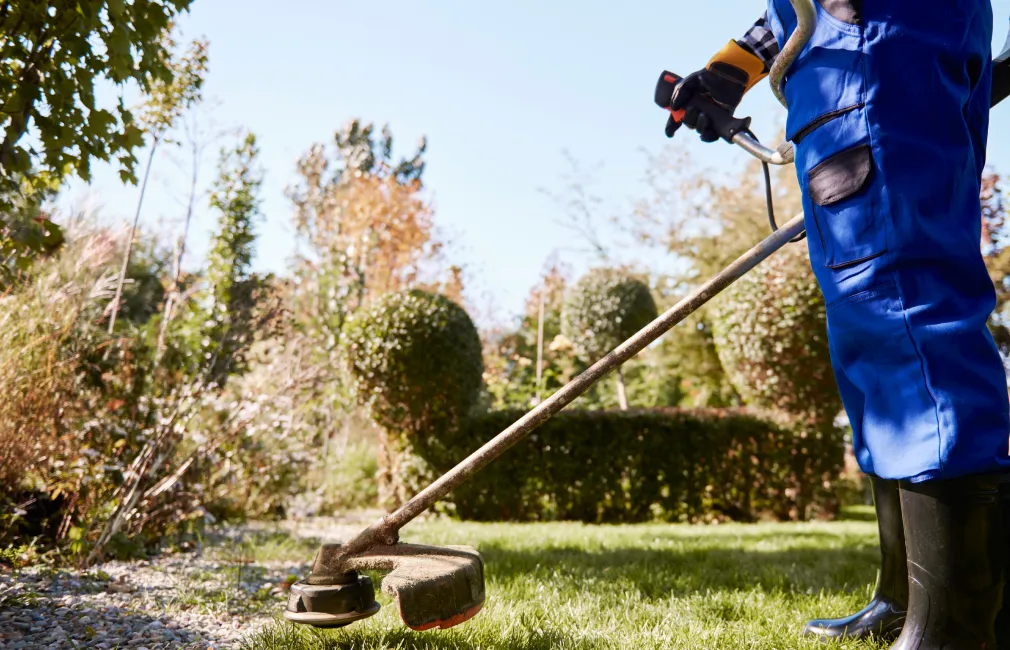
Wells Branch Plant Removal Types

Tree Removal
-
Shrub Removal
-
Stump Grinding
-
Invasive Species Removal
-
Root System Extraction
-
Overgrown Vegetation Clearing
-
Dead Plant Disposal
Our Plant Removal Process
Site Evaluation
Preparation and Safety Measures
Plant Extraction
Debris Removal
Site Restoration
Why Choose Wells Branch Landscape Services
-
Wells Branch Homeowners Trust Us
-
Expert Lawn Maintenance
-
Reliable Scheduling
-
Competitive Pricing
-
Professional Team
-
Satisfaction Guarantee
-
Personalized Service
Plant Removal and Debris Disposal Coordination in Wells Branch
Plant removal in Wells Branch requires strict adherence to municipal debris management protocols. The city schedules yard waste collection every Thursday from April through November, accepting leaves, brush under 4 feet, and grass clippings in biodegradable bags or 32-gallon reusable bins. Plastic bags and branches over 4 inches in diameter are prohibited. For large-scale plant removal, a permit may be required if debris exceeds 2 cubic yards or includes regulated species. Residents must ensure all plant material is placed curbside by 7:00 AM on collection day. Coordination with the Department of Public Works is essential for compliance with disposal guidelines and to avoid code violations.
City of Austin Transportation & Public Works
505 Barton Springs Road, Austin, TX 78704
Phone: (512) 974-7065
Official Website: City of Austin Transportation & Public Works
Soil Series and Site Conditions Affecting Plant Removal in Wells Branch
Wells Branch is characterized by Houston Black clay and Burleson clay loam soils, as identified by the USDA Web Soil Survey. These soils are expansive, with high shrink-swell potential and poor drainage, especially after heavy rainfall. Soil pH typically ranges from 7.5 to 8.2, requiring careful consideration when removing deep-rooted plants or trees. Removal projects should account for:
- Soil compaction from construction fill in newer developments
- Seasonal water table fluctuations (12-18 inches in spring)
- The need for root zone protection to prevent erosion Soil amendments, such as compost incorporation (2-3 inches tilled to 6-inch depth), are recommended post-removal to restore site health. Soil testing is available through Texas A&M AgriLife Extension for $15-25 per sample.
Environmental Compliance and Buffer Zone Requirements for Wells Branch Plant Removal
Plant removal activities in Wells Branch must comply with the Texas Water Code and the city’s MS4 stormwater permit, which prohibits the discharge of plant debris into storm drains or local waterways. Properties adjacent to Wells Branch Creek and protected wetlands must maintain a 25-foot no-disturbance buffer, with a 50-foot setback for mechanical equipment. The Clean Water Act and EPA Region 6 regulations apply to all removal projects impacting water quality. Violations may result in fines or remediation orders. For guidance on buffer delineation and compliance, consult the Environmental Commission.
Austin Environmental Commission
301 W 2nd Street, Austin, TX 78701
Phone: (512) 974-2200
Official Website: Austin Environmental Commission
Equipment Operation Hours and Safety Standards for Plant Removal in Wells Branch
Wells Branch enforces municipal noise ordinances for plant removal equipment. Permitted operation hours are:
- Monday-Friday: 7:00 AM - 7:00 PM
- Saturday: 8:00 AM - 6:00 PM
- Sunday and holidays: Prohibited All operators must use commercial-grade equipment with functioning mufflers, maintaining noise levels below 85 decibels at property lines. Safety protocols require:
- ANSI Z87.1 safety glasses
- Hearing protection for equipment over 85 dB
- Steel-toed boots and cut-resistant gloves
- 15-foot clearance from overhead utilities Traffic control measures, including signage and cones, are mandatory when working near public roads. The Department of Public Works provides additional safety guidance for large-scale projects.
Optimal Timing and Seasonal Considerations for Plant Removal in Wells Branch
Plant removal in Wells Branch is best scheduled during the dormant season, typically December through February, to minimize regrowth and soil disturbance. For herbaceous plants, removal is most effective after first frost (late November), while woody species should be addressed before spring sap flow (mid-February). Avoid removal during June-August due to heat stress and increased soil compaction risk. Monitor local weather conditions using the National Weather Service Austin/San Antonio Office. For invasive species, follow up with targeted treatments in early spring and late fall. Schedule debris collection to coincide with city pickup days for efficient disposal.
What Neighborhoods Do We Serve Throughout Wells Branch, TX?
- Wells Branch Parkway Corridor: Features dense residential development with compacted fill soils and limited access for large equipment, requiring careful planning for debris staging and removal.
- Bratton Lane Area: Characterized by mature tree canopies and proximity to Wells Branch Creek, necessitating strict buffer compliance and erosion control during plant removal.
- Meadows at Wells Branch: Newer subdivision with expansive clay soils and HOA landscaping standards, often requiring pre-approval for major plant removal projects.
- Willow Run: Includes properties adjacent to protected wetlands and floodplains, where 25-foot buffer zones and seasonal timing are critical for compliance.
- Cambridge Heights: Noted for smaller lot sizes and narrow streets, presenting logistical challenges for equipment access and debris collection.
- North Austin Tech Ridge: Commercial and mixed-use area with heavy impervious surfaces, requiring coordination with municipal stormwater management for debris disposal.
- Wells Branch Community Park Vicinity: High public use and proximity to recreational facilities demand heightened safety protocols and coordination with Parks and Recreation for any removal near trails or play areas.